November 25, 2026
Understanding the process of land clearing and soil excavation is essential for anyone involved in construction, landscaping, or property development. Every successful build begins beneath the surface, requiring careful preparation, strict safety protocols, and adherence to environmental regulations before a foundation is poured. From removing dense vegetation to stabilizing complex soil layers, each phase demands coordination between property owners, engineers, and a reliable excavation company. This guide explores the core principles, modern techniques, and regulatory standards governing responsible site preparation, helping you balance efficient development with environmental stewardship.
Understanding the Importance of Land Clearing
Land clearing involves removing trees, stumps, brush, boulders, and surface obstacles to prepare a parcel for construction, agriculture, or infrastructure. Across residential and commercial real estate, proper clearing maximizes usable space and establishes a stable base for future structures. Scale varies considerably depending on the project scope. According to Fixr, for a half-acre lot, about 5,000 square feet generally needs to be cleared for the home site and hardscaping, such as the driveway. Beyond creating room to build, strategic clearing supports disaster mitigation by establishing firebreaks in wooded regions and improving natural drainage in flood-prone zones.
Exploring Core Land Clearing Techniques
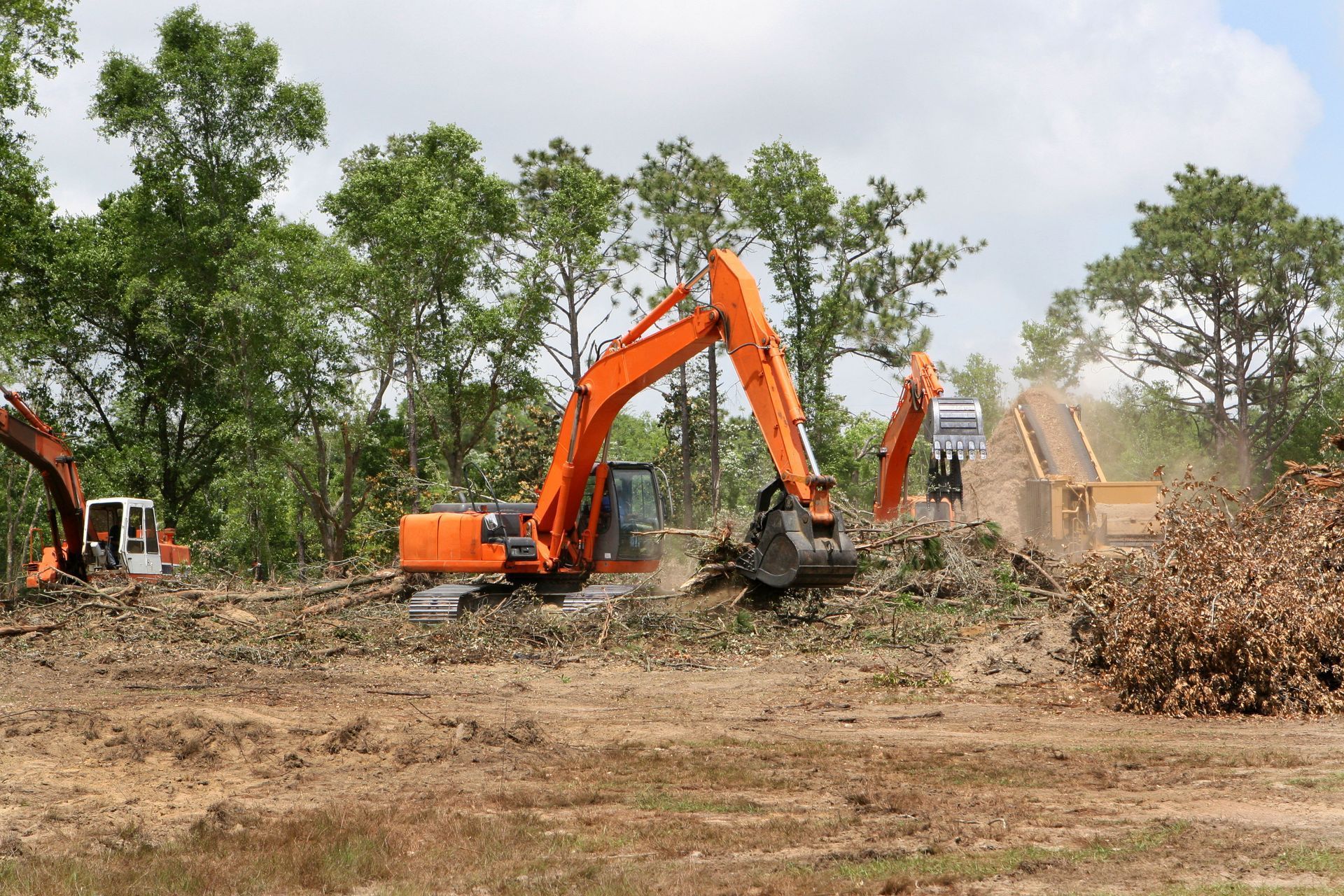
Selecting the right clearing method depends on parcel size, vegetation density, terrain, and ecological sensitivity. Mechanical clearing relies on heavy equipment like bulldozers and forestry mulchers to transform large acreage rapidly, though operators must manage topsoil disturbance carefully. Manual clearing uses handheld tools to remove brush selectively, offering superior precision in protected habitats or tight residential spaces. Chemical treatments occasionally target invasive regrowth where machinery cannot reach, yet they require strict oversight to prevent groundwater contamination. Increasingly, project planners combine approaches—pairing manual selective cutting with targeted mechanical grading or controlled burns—to achieve efficient site preparation while preserving soil health.
Utilizing Specialized Clearing Equipment and Tools
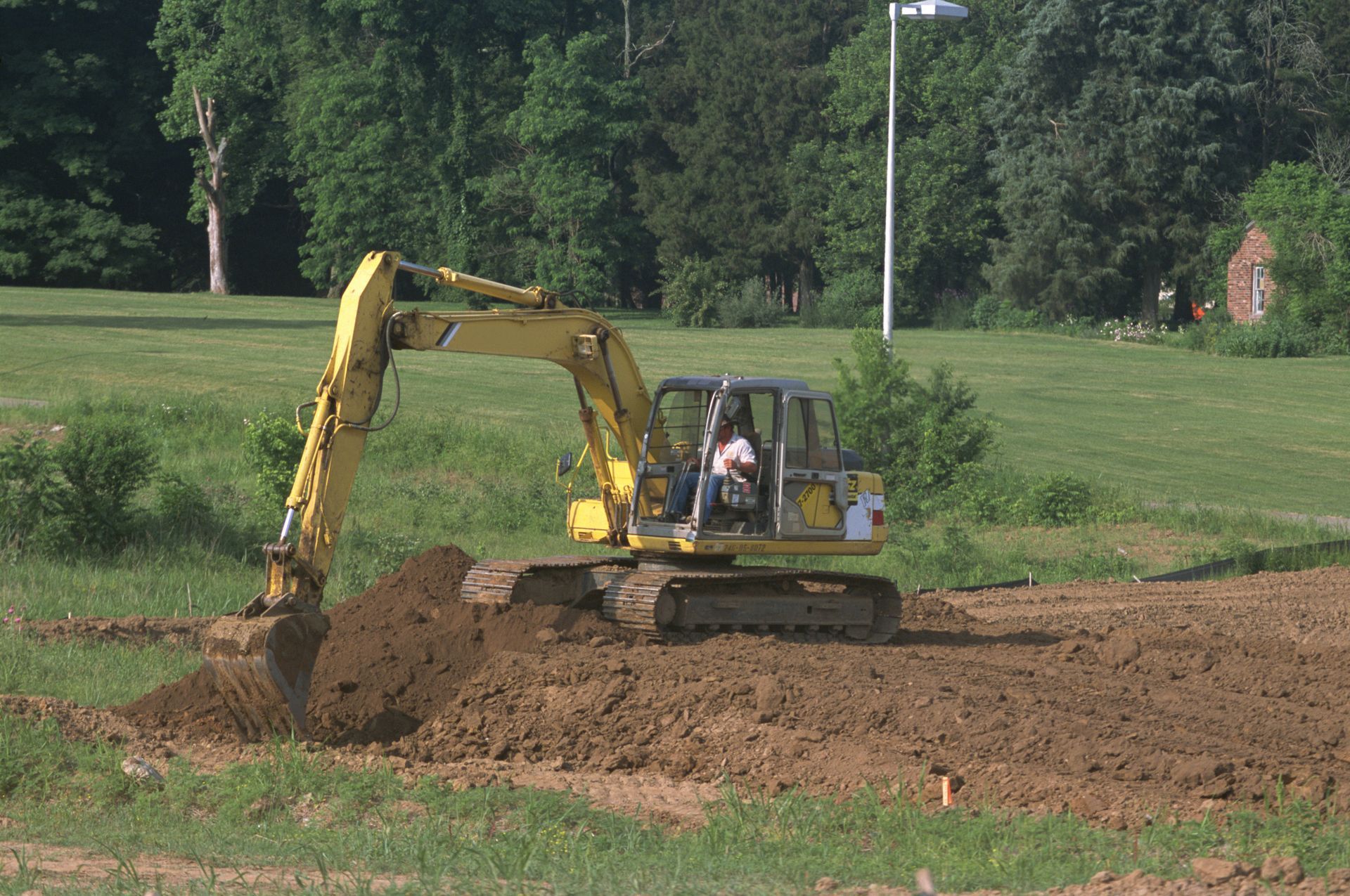
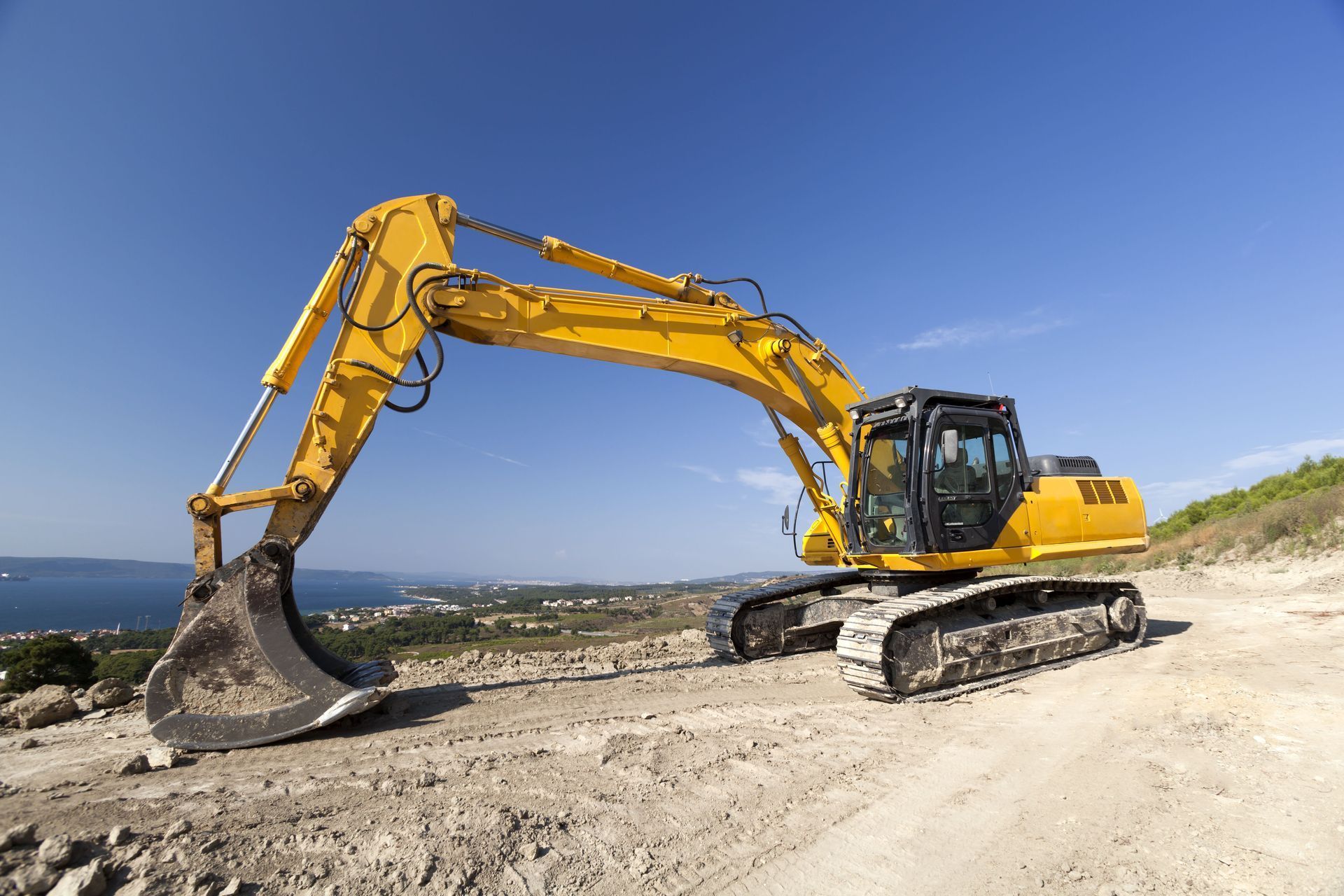
Modern land clearing depends on matching specialized machinery and hand tools to specific site conditions. Bulldozers, front-end loaders, excavators, and motor graders handle heavy lifting, uprooting stumps, shifting boulders, and rough-grading uneven terrain. In densely forested or delicate zones, crews rely on chainsaws, brush cutters, axes, and shovels for controlled removal. Technological advancements have transformed this equipment lineup. GPS-guided grading systems, remote-controlled slope mowers, telematics, and low-emission electric machinery allow an experienced excavation company to work with greater accuracy, lower fuel consumption, and reduced noise pollution while maintaining strict jobsite safety.
Prioritizing Environmental Stewardship and Restoration
Responsible land clearing requires looking beyond immediate construction needs to protect local ecosystems. Unchecked vegetation removal can trigger topsoil erosion, sediment runoff, wildlife displacement, and declining biodiversity. To prevent these outcomes, developers conduct environmental assessments beforehand, establish vegetated buffer zones along waterways, and practice selective clearing whenever possible. Post-clearing restoration is equally important. Replanting native grasses and trees, building wildlife corridors, and minimizing chemical usage help stabilize disturbed ground and restore ecological balance. Engaging environmental specialists and local stakeholders early ensures development projects meet sustainability standards while safeguarding land value.
Navigating Land Clearing Regulatory Compliance
Strict regulatory compliance protects public safety, neighboring properties, and natural resources throughout every clearing project. Depending on local jurisdictions and site characteristics, property owners may need environmental impact approvals, tree-preservation clearances, stormwater management plans, and zoning permits before work begins. Overlooking these legal requirements can result in stop-work orders, hefty fines, and costly delays. Successful developers maintain thorough documentation, monitor evolving municipal codes, and communicate transparently with regulatory agencies. Treating compliance as a foundational framework rather than a bureaucratic hurdle strengthens project credibility and ensures smooth transitions into subsequent construction phases.
Conducting Thorough Initial Site Assessments
Once surface obstacles are cleared, preparation shifts toward soil excavation, beginning with a comprehensive site assessment. Engineers and site crews evaluate topography, drainage patterns, water tables, existing vegetation, and subsurface geology to anticipate potential obstacles before digging starts. Identifying unstable slopes, high groundwater, or protected habitats early prevents structural failures and expensive redesigns. Modern assessment workflows frequently pair field consultations with geologists and environmental scientists alongside drone photogrammetry and satellite mapping. Partnering with a knowledgeable excavation company during this diagnostic stage ensures site data translates directly into practical, cost-effective earthmoving strategies.
Performing Comprehensive Soil Testing and Analysis
Soil testing provides the technical data required to engineer safe foundations and stable earthworks. Geotechnical specialists analyze soil texture, mineral composition, moisture content, load-bearing capacity, and potential contamination through field inspections and laboratory testing. Standard evaluations—including compaction tests, permeability measurements, Atterberg limits, and hydrometer analyses—reveal whether native soil can support structural loads or requires stabilization and engineered fill. Accurate soil intelligence also sharpens budgeting by forecasting material hauling needs, shoring requirements, and erosion controls. Armed with reliable geotechnical findings, a qualified excavation company can tailor digging methods to protect structural integrity.
Designing Sustainable Excavation Blueprints
Thorough planning transforms raw site and soil data into an actionable excavation blueprint. Detailed engineering plans specify cut-and-fill volumes, trench depths, slope angles, material staging areas, and haul routes to keep crews coordinated and schedules intact. Forward-thinking teams embed sustainability directly into blueprints by recycling clean excavated soil or rock on-site, preserving mature perimeter trees, and scheduling noisy operations to minimize neighborhood disruption. Digital tools like Building Information Modeling (BIM) and Geographic Information Systems (GIS) generate three-dimensional site simulations that help engineers and an excavation company spot utility conflicts and optimize earthmoving sequences before breaking ground.
Securing Necessary Excavation Permits and Approvals
Just like surface clearing, subsurface excavation requires formal permitting and municipal approvals before machinery touches the earth. Regulatory bodies review grading plans, erosion and sediment control measures, traffic routing, and environmental impact studies to verify that excavation will not endanger public infrastructure or surrounding waterways. Submitting complete, accurate engineering packages early fosters constructive relationships with local inspectors and prevents administrative bottlenecks. Because environmental and zoning ordinances frequently evolve, staying proactive about compliance keeps schedules predictable. Working alongside a seasoned excavation company simplifies this permitting process, ensuring technical documentation and inspection milestones remain aligned.
Implementing Strict Risk Assessment and Safety Protocols
Excavation carries inherent hazards, making rigorous risk assessment and jobsite safety protocols non-negotiable. Before digging begins, teams identify site-specific threats such as trench cave-ins, hidden underground utilities, hazardous soil contaminants, heavy equipment blind spots, and sudden weather shifts. Mitigation strategies include mandatory utility locates, proper trench shoring or benching, perimeter signage, personal protective equipment, and routine machinery inspections. Daily safety briefings and emergency drills prepare crews to respond decisively under pressure. Many operations also deploy real-time ground sensors and predictive weather analytics, enabling a safety-focused excavation company to prevent accidents before they occur.
Comparing Traditional and Modern Excavation Methods
Choosing between traditional and modern excavation techniques depends on project scale, soil conditions, and surrounding infrastructure. Traditional mechanical methods—including open trenching, bulk digging, and cut-and-fill grading with excavators, bulldozers, and backhoes—offer unmatched speed and cost efficiency for open residential lots and major civil projects. However, dense urban sites with intricate utility networks often demand less invasive solutions. Modern vacuum excavation and hydro-excavation use high-pressure air or water paired with industrial suction to loosen and remove soil cleanly around delicate pipes and fiber-optic lines without mechanical damage.
Combining disciplined land clearing with precision soil excavation lays the groundwork for safe, durable, and environmentally responsible construction. Every phase—from initial site assessments and permitting to equipment selection and final grading—benefits from technical expertise and careful execution. Whether you are preparing a rural residential lot or managing a complex commercial build, partnering with an experienced excavation company ensures your land is cleared and graded right the first time. Ready to get your property construction-ready? Contact Cumberland Landworks today to schedule a site consultation and request a customized project estimate.