September 12, 2026
Preparing a piece of land for construction, agricultural use, or landscaping requires careful organization, structural assessment, and technical precision. Groundwork sets the fundamental baseline for every building project that follows, whether you are erecting a commercial warehouse, crafting a custom residential home, or establishing a rural driveway. However, digging into raw earth involves far more than simply operating heavy machinery and moving large piles of dirt. Successful property development demands a thorough understanding of soil stability, underground utilities, environmental regulations, and proper site drainage. Engaging in professional excavating protocols ensures that your project remains structurally sound, financially manageable, and safe for everyone on the site.
Before turning the first shovel of soil or mobilizing heavy equipment, land developers and property owners must approach site preparation with a clear strategy. Rushing through the initial phases of earthmoving often leads to severe structural settling, unexpected delays, environmental fines, and dangerous utility strikes. By applying industry best practices, conducting comprehensive site evaluations, and deploying specialized machinery, you can transform untouched terrain into a perfectly stabilized foundation. Exploring essential groundwork strategies empowers property owners to navigate the complexities of land preparation with confidence, efficiency, and complete safety.
Conducting Comprehensive Site Surveys
Every successful land transformation project begins long before heavy machinery arrives on the property. Conducting thorough preliminary site surveys allows developers to evaluate topography, identify property boundaries, and assess soil composition. Engineers and surveyors examine natural slope lines, existing vegetation patterns, and subterranean rock formations to determine how the ground will respond to heavy earthmoving. Furthermore, soil testing reveals crucial details about compaction potential, moisture retention, and load-bearing capacity. Discovering unstable clay beds or high water tables early enables project managers to design custom foundation stabilization plans rather than facing catastrophic collapses during active digging.
Beyond natural terrain features, identifying subterranean infrastructure represents a non-negotiable step in preliminary planning. Public and private utilities—including electrical conduits, gas pipelines, fiber optic cables, water mains, and sewer lines—frequently run beneath raw terrain. Striking an underground utility line during large-scale excavating work poses immense safety hazards to machine operators and surrounding communities, alongside risking severe legal penalties and massive repair costs. Coordinating with local utility location services ensures that every buried line is clearly marked on the surface before any digging equipment breaks ground.
Clearing Surface Obstacles and Vegetation
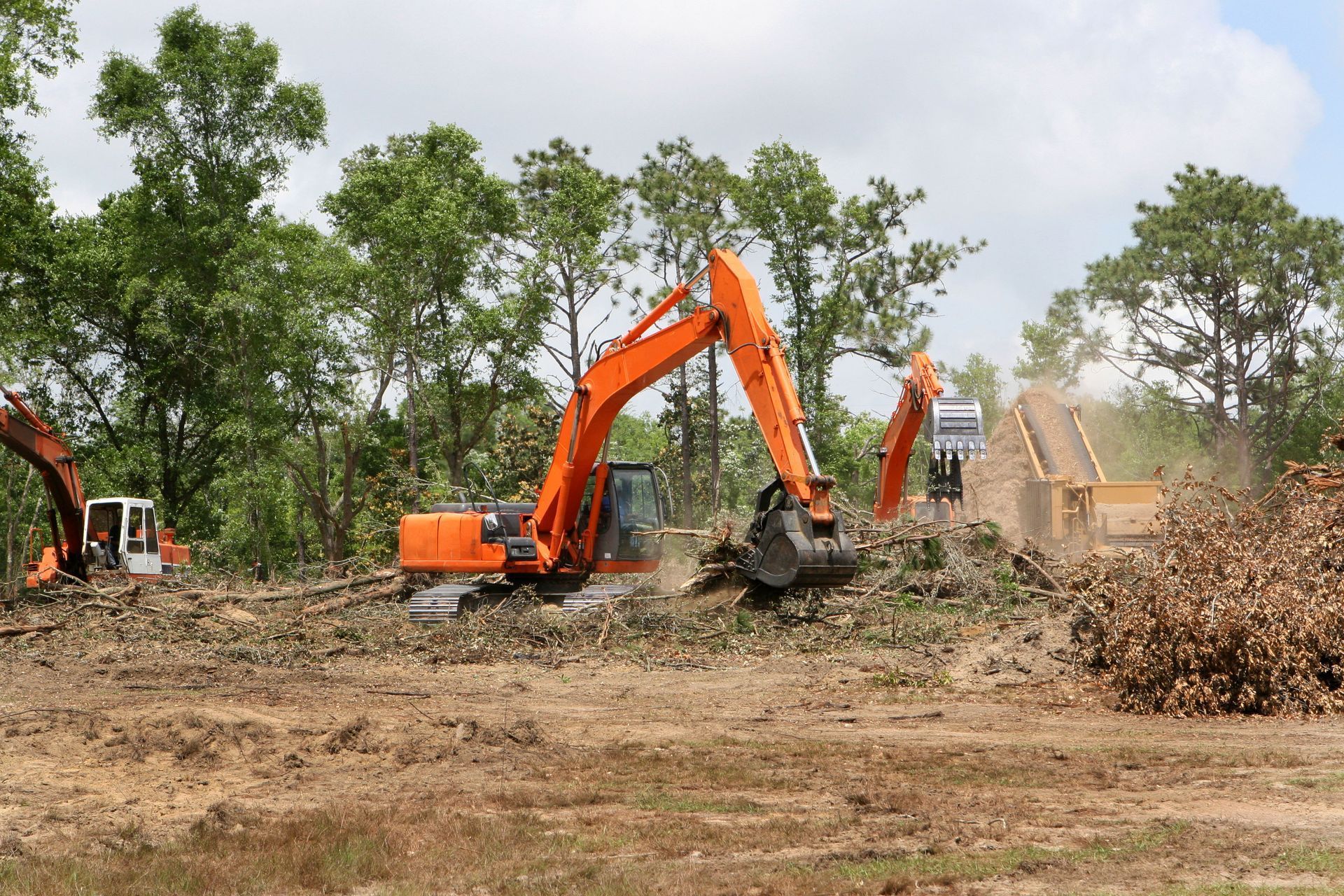
Once site mapping and utility locations are fully established, actual physical preparation begins with clearing surface obstacles. Dense brush, mature timber, heavy boulders, and leftover structural debris must be systematically removed from the targeted footprint. Clearing the land provides heavy equipment operators with unobstructed access and clear sightlines across the entire work area. Proper timber harvest and brush removal also prevent organic matter from becoming buried beneath future structural foundations, where decaying wood would eventually create subterranean voids and cause severe structural settling.
Removing stubborn stump systems and extensive root networks requires specialized heavy machinery, such as tracked dozers and heavy excavators equipped with root rakes. Tree roots can extend deep into the earth, anchoring trees firmly and altering soil density across wide areas. Aggressive grubbing pulls these deep root systems out entirely, ensuring that the remaining soil can be properly compacted. According to IBIS World, industry revenue for the land clearing market reached an estimated $10.1bn in 2024. This substantial market investment underscores the critical importance of professional land clearing as a foundational phase in commercial and residential property development nationwide.
Managing Site Drainage and Runoff
Water is the primary enemy of structural stability during and after ground preparation. Uncontrolled surface water runoff, pooled rainwater, and underground springs can quickly transform an active job site into a chaotic, mud-filled hazard, eroding carefully graded slopes and softening soil foundations. Incorporating proactive drainage solutions into your early excavating strategy prevents water accumulation from compromising site integrity. Establishing temporary retention ponds, digging perimeter diversion ditches, and installing silt fencing keeps water flowing safely away from high-priority work zones while containing loose sediment on the property.
Long-term water management also dictates how the final terrain should be shaped and contoured. Professional earthmovers carefully slope the ground away from planned building footprints, creating gentle gradients that direct rainwater toward natural drainage basins or storm infrastructure. Installing subterranean French drains, culverts, and catch basins during the initial groundwork phase ensures that future structures remain protected against foundation flooding, basement seepage, and soil erosion. Managing moisture levels from the very beginning preserves structural integrity and keeps project timelines moving forward without weather-related standstills.
Selecting Proper Machinery and Tools
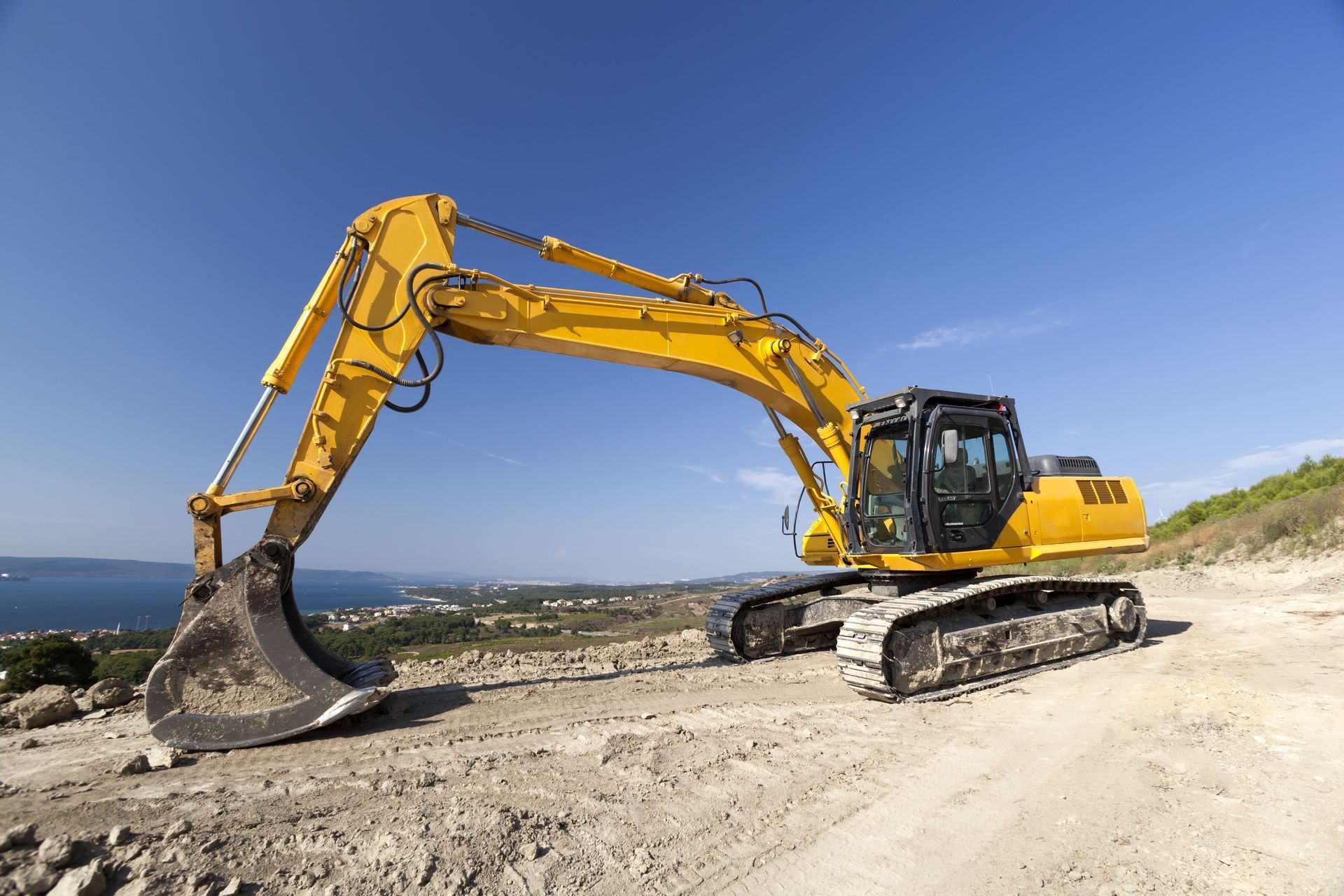
Executing efficient earthmoving operations requires matching the right heavy machinery to the specific demands of the terrain and project scope. Using undersized equipment leads to excessive engine strain, slow progress, and potential machine failure, while deploying oversized machinery in tight spaces can cause accidental damage to adjacent structures and unnecessary soil compaction.
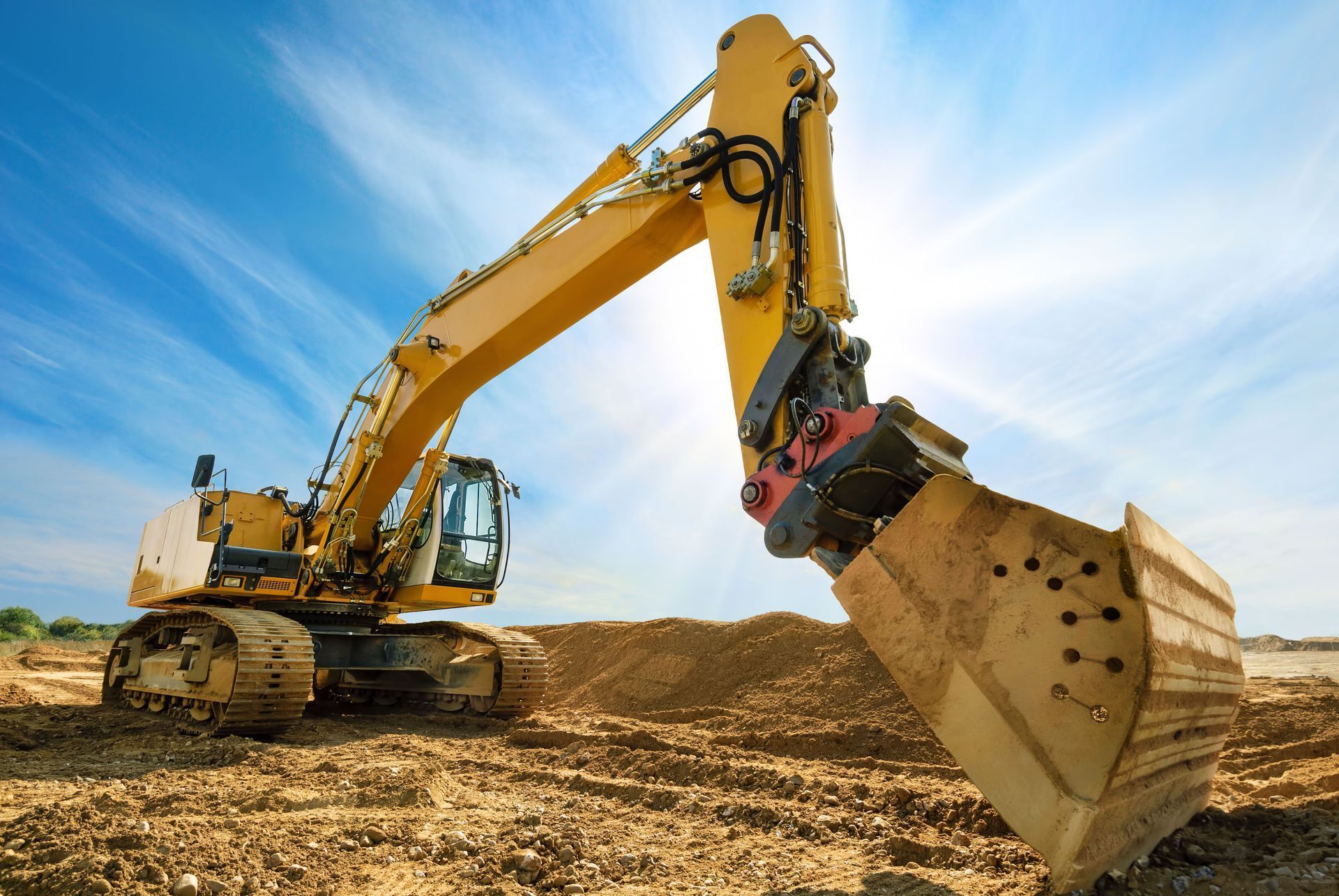
In addition to choosing primary machinery, selecting specialized attachments enhances operational efficiency and safety. Hydraulic breakers effortlessly shatter dense subterranean rock formations, while trenching buckets create clean, narrow channels for utility pipes and footings. Tilt-rotators and grading buckets allow operators to shape precise contours and subtle drainage slopes with remarkable accuracy. Ensuring that all heavy machinery undergoes routine maintenance and pre-operation safety inspections prevents mechanical breakdowns, reduces fuel consumption, and keeps operators safe throughout demanding excavating assignments.
Compacting Soil and Establishing Foundations
Moving earth is only half the challenge; properly solidifying and compacting the newly exposed ground determines whether a site can support heavy structural loads. Loose, uncompacted soil contains air pockets that compress under weight or shift when saturated with water, leading to uneven settling and cracked building foundations. Once the ground is brought to rough grade, contractors apply systematic compaction techniques using heavy smooth-drum rollers, padfoot compactors, or pneumatic tampers to press out air pockets and bind soil particles together tightly.
Achieving optimal soil density frequently involves adding material in thin, uniform layers known as lifts. Each layer of soil is brought to its ideal moisture content and thoroughly compacted before adding the next lift. For areas with poor native soil quality, contractors may import crushed stone, gravel, or engineered fill material to create a stable, high-capacity sub-base. Rigorous soil density testing verifies that the compacted site meets structural engineering specifications, ensuring that concrete footings, slab foundations, and paved driveways remain perfectly stable over decades of use.
Enforcing Safety Standards and Protocols
Maintaining strict safety standards across active earthmoving job sites is vital for protecting workers, equipment, and surrounding properties. Deep trenches and steep earth cuts present inherent risks, including fatal sidewall cave-ins, falling debris, and equipment rollovers. Implementing proper trench safety measures—such as benching, sloping trench walls, or installing rigid trench shields—prevents catastrophic soil collapses when workers must enter deep excavations.
Furthermore, clear communication protocols and strict personal protective measures protect crew members working around heavy machinery. Operators must maintain clear lines of sight, while ground personnel should always wear high-visibility clothing and remain outside equipment swing radii. Establishing designated haul roads, spotter signals, and clear site boundaries minimizes the risk of collisions between heavy trucks and foot traffic.
At Cumberland Landworks, we bring precision engineering, heavy-duty machinery, and years of hands-on expertise to every land preparation project. Whether you need comprehensive site clearing, custom grading, or professional utility trenching, our dedicated team is ready to build the solid foundation your vision deserves. Reach out to us today to discuss your site preparation needs and request a personalized project estimate.