
Land Clearing Tips: Preparing Your Property for Construction or Farming
Preparing a property for development or agricultural use begins with a thoughtful approach to land clearing, a process that shapes everything that follows. Whether the goal is to build a structure, establish crops, or improve usability, clearing land provides the groundwork for long-term success. It involves more than removing trees and vegetation; it requires careful evaluation of the site, coordination with regulations, and attention to environmental impact. When handled properly, land clearing can improve drainage, increase accessibility, and create a more functional layout that aligns with plans. These early steps help reduce complications later, allowing construction or farming efforts to move forward with fewer disruptions and more predictable outcomes.
The value of proper preparation becomes even more apparent when considering the broader industry behind these projects. According to the National Association of Landscaping Professionals, the landscaping industry employs more than 1 million people. This highlights how many skilled professionals contribute to shaping and maintaining land across the country. Their work reflects the importance of thoughtful planning and execution, especially when preparing a property for new use. By approaching land clearing with a clear strategy and attention to detail, property owners can create a solid foundation that supports both immediate goals and long-term sustainability.
Assessing the Land and Planning the Project
Understanding the condition of a property is the starting point for any successful land clearing effort. A comprehensive site survey reveals important details such as vegetation density, soil composition, elevation changes, and existing structures. These factors influence how the land should be cleared and what challenges may arise during the process. Identifying natural features like waterways or rock formations early allows for better planning and reduces the likelihood of costly surprises. Careful assessment also helps determine how much work is required and what resources will be needed.
Legal considerations play a major role in shaping any land clearing project. Local zoning laws, environmental protections, and permit requirements must all be reviewed before work begins. Failing to follow these guidelines can lead to delays, fines, or even project shutdowns. Taking time to understand these requirements allows for smoother progress and helps maintain good standing within the community. It also demonstrates a commitment to responsible land use, which can be important when working near residential areas or protected ecosystems.
Once the site has been evaluated and legal requirements are clear, developing a structured plan becomes the next priority. This plan outlines each phase of land clearing, from vegetation removal to soil preparation. It also includes budgeting and scheduling, which are critical for keeping the project on track. A realistic timeline accounts for weather conditions, equipment availability, and labor needs. By mapping out each step in advance, property owners can reduce uncertainty and move forward with greater confidence.
Selecting Appropriate Equipment and Tools
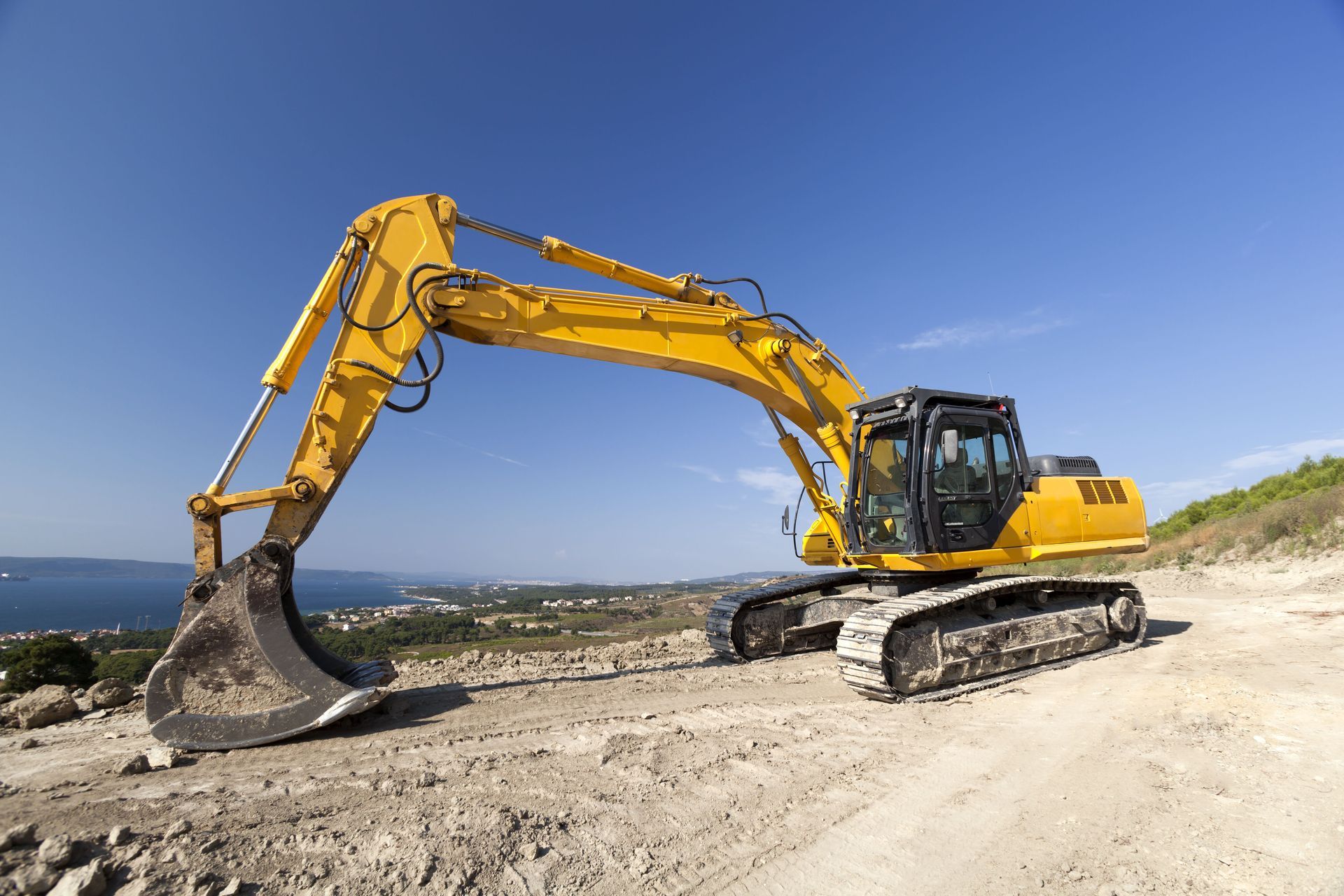
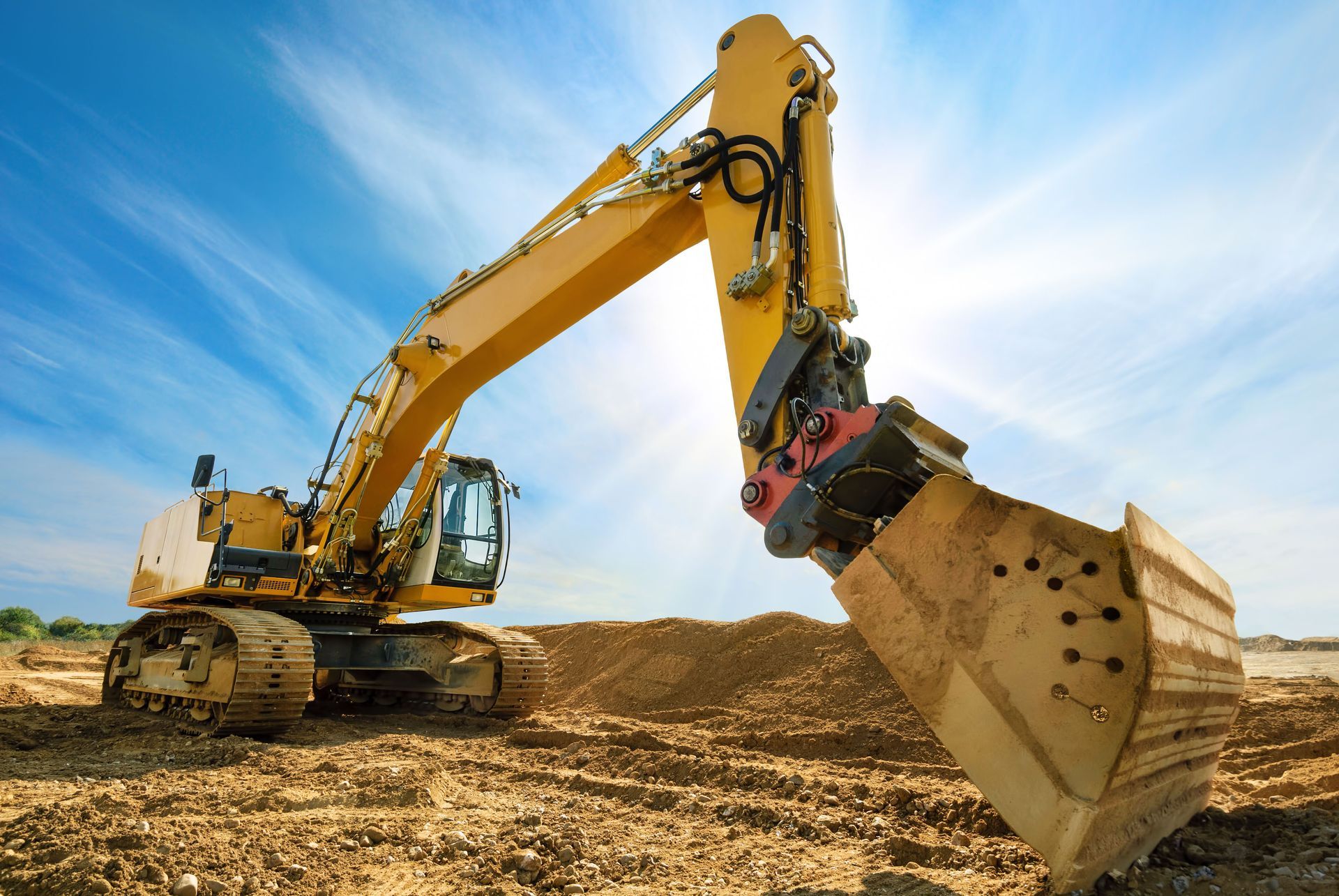
Choosing the right equipment has a direct impact on the efficiency and safety of land clearing projects. Different types of machinery serve different purposes, and selecting the wrong tools can slow progress or damage the land. Bulldozers are often used for pushing large amounts of debris, while excavators handle digging and lifting tasks. Chainsaws and brush cutters are useful for smaller vegetation, allowing for more precise work in tighter spaces. Matching the equipment to the specific needs of the property helps maintain productivity while minimizing unnecessary wear on the land.
Project size and scope also influence equipment decisions. Larger properties with dense vegetation may require heavy-duty machinery to complete the work within a reasonable timeframe. Smaller projects, on the other hand, may benefit from lighter equipment that offers greater control and flexibility. Another factor to consider is whether to rent or purchase machinery. Renting can reduce upfront costs and provide access to specialized equipment, while purchasing may be more practical for ongoing or repeated work.
Managing Vegetation and Existing Structures
Vegetation management is one of the most visible aspects of land clearing, but it requires careful decision-making. Not all trees and plants need to be removed, and preserving certain elements can enhance the property's long-term value. Mature trees, for example, can provide shade, reduce erosion, and improve the overall appearance of the land. Identifying what vegetation to keep and which to remove helps balance development goals with environmental considerations.
Removing unwanted vegetation must be done with attention to both effectiveness and environmental impact. Mechanical clearing methods are commonly used for larger areas, while more targeted approaches may be appropriate for sensitive locations. In some cases, chemical treatments or controlled burns are used, but these methods require careful planning and adherence to regulations. The goal is to clear the land in a way that supports future use without causing unnecessary harm to the surrounding environment.
Soil Preparation and Erosion Control
After vegetation and structures have been addressed, attention turns to the condition of the soil. Soil testing provides valuable information about nutrient levels and pH balance, both of which affect how the land can be used. For agricultural purposes, this data helps determine what crops are most suitable and what amendments may be needed. For construction projects, soil stability is a key factor in supporting foundations and preventing long-term structural issues.
Improving soil quality often involves adding organic matter, adjusting pH levels, or implementing techniques that promote healthy soil structure. These steps contribute to better water retention and improved plant growth. Even in construction-focused projects, stable and well-prepared soil reduces the risk of shifting or settling over time. Investing in soil preparation early can prevent more significant problems later.
Environmental Considerations and Best Practices
Balancing development with environmental responsibility is an important part of modern land clearing. Protecting wildlife habitats and minimizing disruption to ecosystems helps maintain biodiversity and supports long-term sustainability. Identifying sensitive areas, such as wetlands or nesting sites, allows for adjustments that reduce the impact of clearing activities. This approach benefits both the environment and the overall success of the project.
Reducing the environmental footprint of land clearing also involves selecting methods and equipment that limit emissions and soil disturbance. Using efficient machinery and planning operations carefully can lower energy use and reduce waste. Incorporating sustainable practices into the project not only benefits the land but also aligns with broader environmental goals that are increasingly important in today's development landscape.
Working with environmental professionals can provide valuable guidance throughout the process. Their knowledge helps identify potential risks and develop strategies to address them. This collaborative approach supports better decision-making and contributes to a more balanced outcome. By integrating environmental considerations into every stage of land clearing, projects can move forward in a way that respects both natural resources and development objectives.
Preparing land for construction or farming is a complex process that requires thoughtful planning, the right tools, and a strong understanding of environmental and legal factors. Each stage, from initial assessment to post-clearing management, contributes to the overall success of the project. By approaching land clearing with a clear strategy, property owners can create a stable foundation that supports future development while minimizing unnecessary complications. Attention to detail during each phase helps improve efficiency, protect natural resources, and enhance the long-term value of the property.
Taking the time to plan and execute
land clearing properly can make a significant difference in the outcome of any project. Whether the goal is to build, farm, or improve usability, a well-prepared site sets the stage for success. If you are considering starting a project, now is the time to evaluate your property and take the first steps toward transforming it into a functional and productive space with the help of Cumberland Landworks.
Share On: